






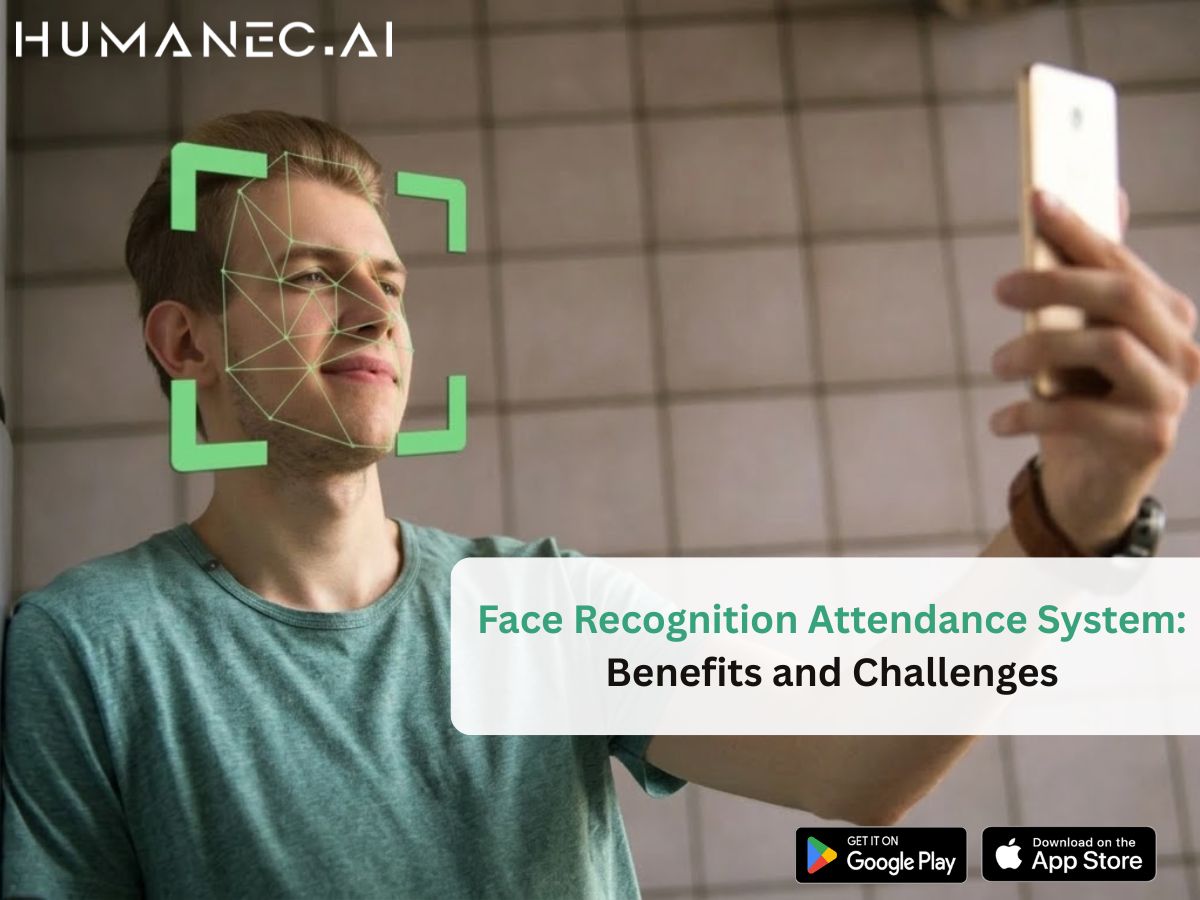
Face Recognition Attendance System: Benefits & Challenges
Introduction
Organizations today need efficient, accurate, and automated attendance tracking solutions to maintain workforce productivity and accountability. A face recognition attendance system provides a reliable solution, combining AI-powered attendance systems and face recognition software to ensure accurate employee check-ins and reduce errors. By implementing smart employee tracking software, businesses can manage both on-site and remote teams effectively, streamline HR processes, and enhance operational efficiency. These systems are increasingly favored over traditional methods like punch cards or manual registers, which are prone to human error and time-consuming.
The Need for Face Recognition Attendance Systems
Manual attendance tracking often creates challenges such as inaccurate time records, payroll errors, and additional administrative work. Biometric attendance systems,particularly those based on facial recognition, address these problems by providing:
- Accurate and tamper-proof attendance records
- Automated employee attendance tracking software integration
- Reduced workload for HR teams
- Real-time employee monitoring through employee monitoring systems
These systems not only improve operational efficiency but also enhance workplace security. Only authorized personnel can mark attendance, reducing fraudulent entries and ensuring compliance with company policies.
Benefits of Face Recognition Attendance Systems
1. Accurate and Reliable Attendance
Face recognition time tracking ensures precise attendance recording for every employee. Unlike manual methods, these systems are nearly impossible to manipulate, guaranteeing fair payroll and reducing administrative errors.
2. Time and Cost Efficiency
Automating attendance with automated employee attendancesolutions significantly cuts down HR administrative tasks. Managers and HR professionals can focus on strategic initiatives instead of tracking and reconciling time sheets manually.
3. Increased Employee Accountability
When employees use face recognition software, attendance is accurately logged, fostering accountability. This leads to punctuality improvements, reduced absenteeism, and higher workforce productivity.
4. Seamless Remote and Hybrid Work Tracking
AI-powered attendance systems allow remote employees to log attendance securely using mobile or desktop platforms. This flexibility is crucial for hybrid work environments, ensuring no compromise in productivity.
5. Integration with Payroll and HR Systems
Many employee monitoring systems and time tracking software with face recognition seamlessly integrate with existing HR and payroll software. Automated synchronization reduces manual effort, eliminates errors, and ensures accurate compensation and leave management.
5. Advanced Analytics and Reporting
Modern smart employee tracking software provides detailed analytics on attendance trends, overtime, and workforce productivity. Managers can generate actionable reports to make informed decisions that enhance operational efficiency.
5. Enhanced Security and Compliance
Face recognition attendance systems ensure that only authorized employees mark their presence, improving workplace security. Many systems also comply with GDPR and other privacy standards, ensuring safe storage and handling of employee data.
Challenges of Face Recognition Attendance Systems
1. Privacy Concerns
Employees may worry about the storage and use of facial data. Organizations must ensure compliance with data protection regulations and communicate clearly with staff about data handling.
2. Technical Limitations
Lighting conditions, camera quality, and facial changes (hairstyle, glasses) can impact recognition accuracy. Regular calibration and system maintenance are essential for consistent performance.
3. High Initial Investment
Installing a face recognition attendance system requires investment in hardware (cameras, servers) and software licenses. However, long-term efficiency gains often outweigh upfront costs.
4. Integration Challenges
Older HR or payroll systems may require custom integration to work smoothly with face recognition software. Organizations need to ensure compatibility before deployment.
5. Employee Acceptance
Some employees may be hesitant to adopt facial recognition technology. Providing clear instructions, training, and highlighting the benefits of automation helps with smooth adoption.
Best Practices for Implementing Face Recognition Attendance Systems
- Select systems that comply with local data protection and privacy regulations.
- Use AI-powered attendance systems compatible with your existing HR software.
- Provide training to employees to ensure seamless adoption.
- Regularly maintain cameras and software to ensure accuracy.
- Monitor employee attendance tracking software reports to optimize workforce productivity.
By following these practices, businesses can maximize the benefits of face recognition time tracking while minimizing potential drawbacks.
Improve workforce efficiency and accuracy today! Implement a face recognition attendance system with smart employee tracking software to automate attendance, enhance employee accountability, and streamline HR operations. Request a Free Demo Now.
Get Started with Smart Face Recognition Attendance System
Transform how you track employee attendance with our AI-powered face recognition system. Fast, accurate, and secure—designed to improve workforce productivity and streamline HR processes.
- Book a Demo: Visit Website
Download the Humanec App
- Android: Download Now
- IOS: Download Now
FAQs
1. What is a face recognition attendance system?
A system that uses facial recognition technology to automate employee check-ins, ensuring accurate and tamper-proof attendance records.
2. How does face recognition software improve productivity?
By eliminating manual errors, reducing HR workload, and providing real-time monitoring through employee monitoring systems.
3. Can remote employees use face recognition attendance systems?
Yes, AI-powered attendance systems allow secure remote check-ins via mobile or desktop platforms.
4. What challenges exist with face recognition attendance systems?
Privacy concerns, technical limitations, high initial investment, integration issues, and employee acceptance are common challenges.
5. Is face recognition attendance suitable for small businesses?
Yes, scalable time tracking software with face recognition solutions are available for small and medium enterprises.